Solar Panel Bird Proofing Kent

How Much Does Solar Panel Bird Proofing Cost in the UK?
Most people don’t think twice about the space underneath their solar panels until they hear something moving around on the roof.
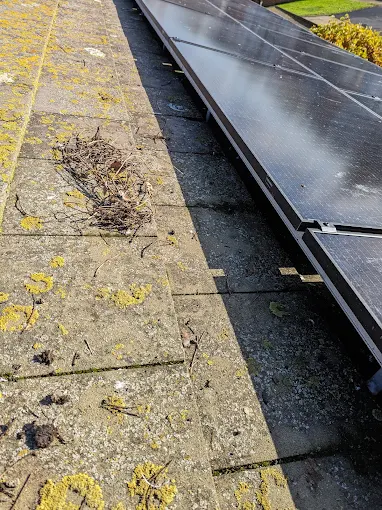
It might start as a little scratching first thing in the morning. A few pigeons sit on the panels every day. Then you notice feathers in the gutter or bird droppings appearing around the house. By that stage, there’s a good chance they’ve already built a nest underneath.
We speak to plenty of homeowners at Solar Panel Bird Proofing Kent who are surprised by how quickly this can happen. They expected the birds to just move on, but once pigeons get a warm little spot that feels safe, they rarely depart without a bit of nudge or encouragement.
That’s usually when the next question starts to pop up.
How Much Does Solar Panel Bird Proofing Cost?
There isn’t a single price because every roof is different. A house with eight panels on a single-storey extension won’t require the same amount of work as a larger property with a more complex roof. The condition of the area beneath the panels also makes a difference.
In this guide, we’ll dig into what influences the solar panel bird proofing cost, explain why birds are drawn to solar panels in the first place and share a few practical methods to prevent bigger headaches later on.
Why Do Pigeons Keep Choosing The Space Beneath Solar Panels?
It’s actually quite easy to understand.
The gap underneath the panels gives birds somewhere dry to shelter from the weather. It’s hidden from view, protected from the wind and feels safe enough for nesting. Once one pair settles in, others often follow.
That’s why birds under solar panels are such a frequent little hassle for homeowners across the UK.
You don’t always clock it straight away. Usually, people only realise something is off after seeing the same birds returning day after day, like clockwork, even if nothing seems changed.
A few signs are worth keeping an eye on:
- Pigeons or other birds going in beneath the panels, rather than just flying off somewhere else
- Twigs, feathers, and bits of nesting material piling up in the gutters
- Scratching or quick fluttering noises coming from the roof area
- Droppings showing up around the house more often than normal
None of these signals on their own automatically mean there’s a big nest, but they really shouldn’t be brushed aside. The longer the birds linger underneath the panels, the more nesting material they tend to drag in, slowly and steadily.
What Affects The Solar Panel Bird Proofing Cost?
This is where every property becomes slightly different.
Some jobs are straightforward because the roof is easy to reach and there isn’t much nesting activity. Others take longer because access is more difficult or the area beneath the panels needs cleaning before any bird proofing can be installed.
A quotation is normally based on the work involved rather than a fixed price.
Things that are usually taken into account include:
What is checked? | Why does it matter? |
Size of the solar panel system | Larger systems need more protective mesh. |
Roof access | Steeper or higher roofs often take longer to work on safely. |
Existing nests | Old nests usually need removing before bird proofing is fitted. |
General condition | Heavy bird droppings or debris may need clearing first. |
For that reason, it’s always worth arranging an inspection instead of relying on a rough estimate. Seeing the roof properly means the advice you receive is based on the condition of your own solar panel system rather than assumptions.
Most homeowners appreciate knowing exactly what’s involved before any work begins, and it also helps avoid unexpected costs later on.
When Should You Have Bird Proofing Installed?
There’s no need to wait until the birds have completely taken over the space beneath your panels. If you’ve started seeing birds under solar panels, even occasionally, it’s worth getting the situation checked. Acting early usually means less disruption and less cleaning before the protection is fitted.
At Solar Panel Bird Proofing Kent, we often speak to customers who wish they’d dealt with the problem months earlier. Once birds have settled in, they rarely leave on their own.
Installing bird proofing before the nesting area becomes established is usually the simplest option, but it’s never too late to protect your solar panel system and reduce the chances of the birds coming back.
Why Do Homeowners Choose Solar Panel Bird Proofing Kent?
Choosing the right company is just as important as picking the right bird-proofing solution, honestly. We concentrate on safeguarding your solar panels with sensible, long-lasting solutions that match your property and the way it’s set up.
Here’s why homeowners trust us:
- Professional bird-proofing solutions tailored to your roof
- Quality materials designed for long-term protection
- Careful installation that doesn’t affect your solar panels
- Friendly advice with no one-size-fits-all approach
- Clean and tidy service from start to finish
Our aim is straightforward: to help you protect your solar panel system and get birds to stop coming back, again and again.
What’s The Best Way To Avoid Expensive Repairs Later?
Many people only start searching for solar panel bird proofing cost after they discover a nest beneath their panels. By that stage, the birds may already have been there for months.
Taking action earlier usually means less work is needed. It also lowers the odds of clutter getting tucked underneath the panels, or somehow making extra scrubbing work around the roof and those gutters.
Think of bird proofing as kind of similar to servicing your boiler, or going through gutter cleaning. It is a kind of prevention, not the fun part, but it steers you away from bigger headaches later on. After your solar panels are safeguarded, you can just carry on enjoying the savings they were fitted to bring in.
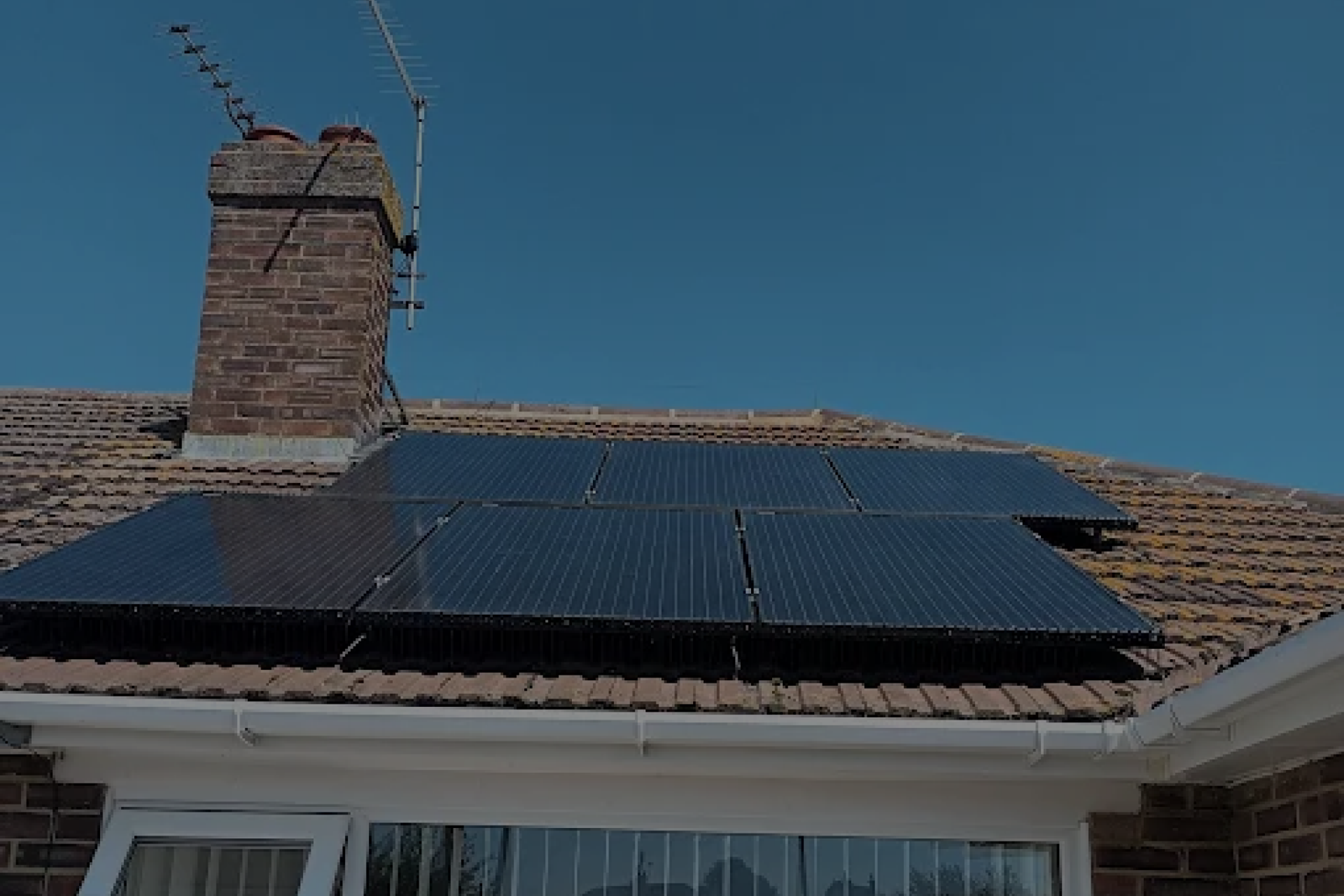
If you’ve noticed more pigeons around your roof, heard scratching sounds overhead or seen birds disappearing beneath the panels, it’s probably time to have the system checked.
The solar panel bird proofing cost isn’t the same for every home because every installation is different. The number of panels, the roof design, and the amount of nesting already present all influence the work involved. That’s why a proper inspection is always the best starting point.
Leaving the problem rarely improves the situation. Birds tend to return to places where they’ve nested before, so dealing with it sooner is often the easier option.
At Solar Panel Bird Proofing Kent, we help homeowners protect their investment with dependable solar panel bird proofing solutions that keep birds out, without messing up the performance of the system. If you’ve already seen birds under solar panels, now is a good time to handle the issue before it turns into a larger job.
Frequently Asked Questions
1. How much does solar bird proofing cost?
The solar panel bird proofing cost usually depends on a few things like how big the solar setup is, how hard it is to get onto the roof, and if there are nests present that have to be removed first before the protective mesh gets fitted.
2. Can pigeons damage solar panels?
The panels themselves are made to last; however, pigeons can still cause hassles around the fitting area. Things like nests, droppings, and leftover debris under the panels can trigger extra maintenance over time if it’s not dealt with.
3. Does bird proofing stop solar panels from working properly?
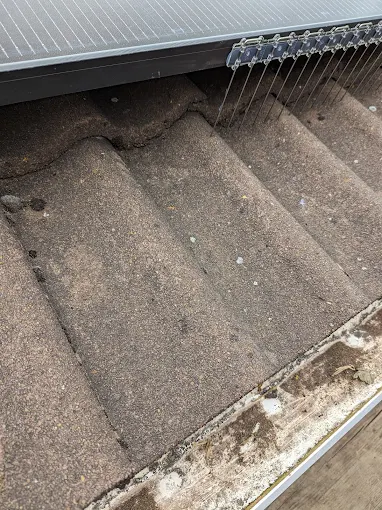
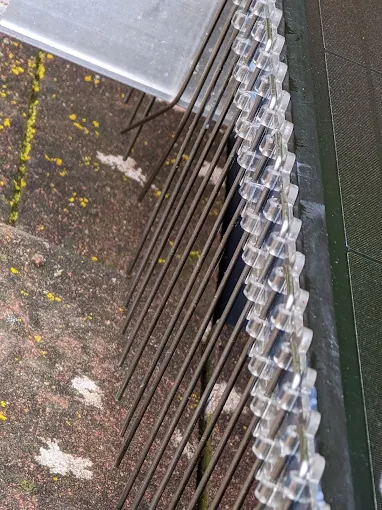
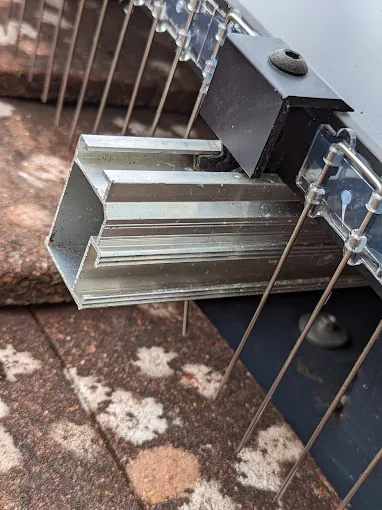
No, when a solar panel bird proofing system is installed properly, it’s placed around the panel edges, so normal airflow is still possible, while birds can’t get beneath them.
Categories
Recent Posts
Photo Gallery