Solar Panel Bird Proofing Kent

How to Maintain Pigeon Mesh After Installation in Ashford
Having pigeon mesh fitted is one thing. Keeping an eye on it afterwards is another.
A properly fitted mesh barrier can do its job for a long time, but it still sits outside in the wind, rain and sunshine. Leaves can collect against it, fixings can loosen, and a small tear can become a much bigger opening if nobody notices it.
That doesn’t mean you need to check it every week. A quick look from time to time is usually enough to spot anything that needs attention.
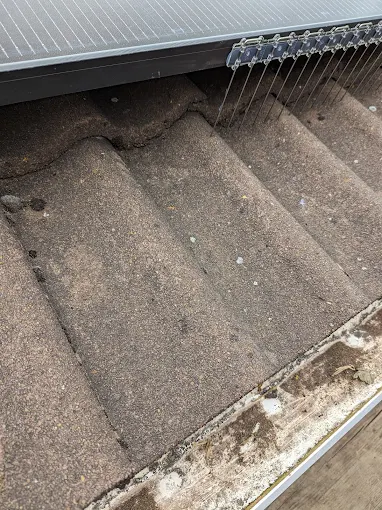
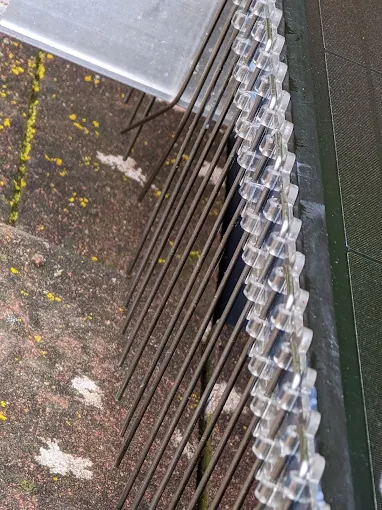
At Solar Panel Bird Proofing Kent, we provide pigeon mesh installation in Ashford for properties where pigeons have become a recurring problem. Once the mesh is in place, a little basic care can help keep it doing what it was installed to do.
How Do I Maintain Pigeon Mesh?
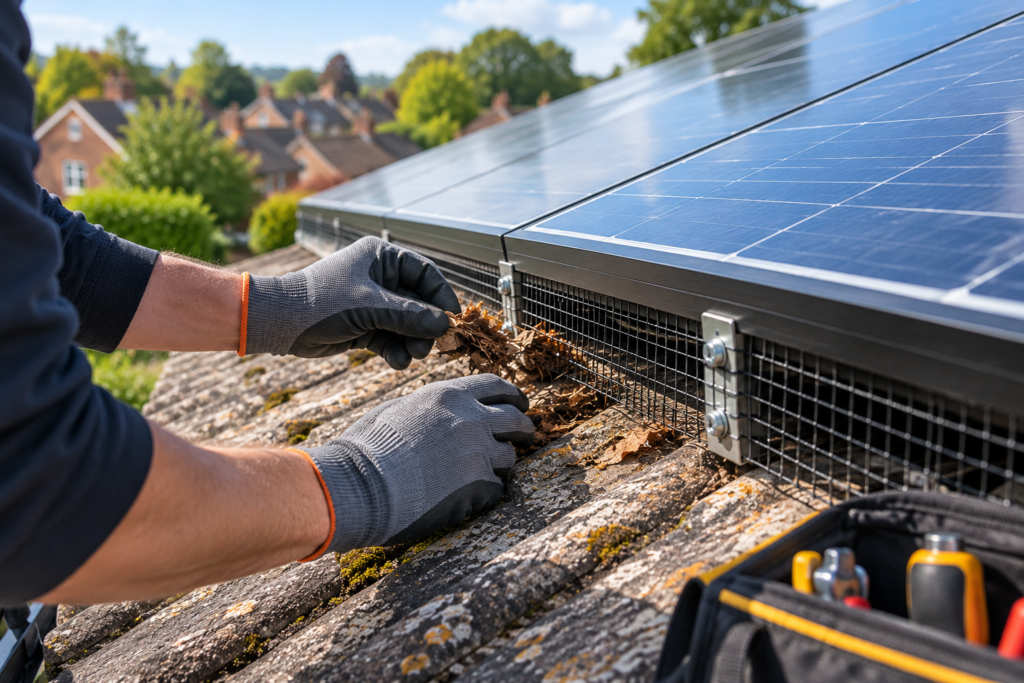
Start with a simple visual check. Inspect the mesh, paying close attention to the edges, corners, and fixing points. These are the areas where movement or wear is most likely to show first.
Check for:
- Small holes or tears
- Sections that have started to sag
- Loose clips, ties or other fixings
- Leaves, feathers or twigs caught in the mesh
- Signs that birds are trying to get through
You do not have to tear anything apart to do these checks. If you see damage, handle it right away, not after birds get in.
Here are a few simple tips for pigeon mesh upkeep that are easy to use and may help you avoid a bigger fix later.
How Often Should Pigeon Mesh Be Checked?
There isn’t much point in constantly inspecting a mesh system. A check every few months is a sensible habit, with another look after particularly strong winds or bad weather.
Weather can put extra strain on outdoor mesh. Strong winds may loosen attachment points, while branches or other debris can rub against the material.
A quick check after a storm can tell you whether anything has moved or become damaged. If the mesh still looks tight, secure, and free from obvious damage, there’s usually nothing more to do.
Is Pigeon Mesh Safe For Birds?
When it is fitted well and looked after, pigeon mesh is meant to stop birds from entering a place, not to hurt them. The net works like a simple wall. Pigeons cannot pass through it, so they end up going elsewhere.
Still, you should look it over now and then. If parts are torn, edges are not tight, or there are openings, a bird could get trapped. If you see any of that, fix it soon instead of waiting. A trained person can check it, find the issue, and correct it.
Where Can Pigeon Mesh Be Installed?
Pigeon mesh can be used wherever birds are getting into a sheltered or enclosed space and causing a nuisance.
Depending on the property, it may be suitable around:
- Solar panels
- Roof spaces
- Balconies
- Building ledges
- Open sections of a building
- Other areas where pigeons are gaining access
The right type of installation depends on the area that needs protecting. It’s not simply a case of putting mesh over an opening and hoping for the best. The edges and fixing points need to be secure so birds cannot find a way around the barrier.
For properties dealing with persistent pigeon activity, professional bird mesh installation services can provide a more reliable answer than repeatedly trying to remove birds after they return.
What If Birds Are Already Nesting There?
This is where timing matters. If pigeons have already made a nesting site, simply covering the area isn’t always the answer. The situation should be assessed first, particularly if there are active nests.
Depending on what’s happening, you may need suitable pigeon removal solutions before the area can be properly protected.
Once the problem has been dealt with, mesh can help prevent pigeons from getting back into the same space.
At Solar Panel Bird Proofing Kent, we look at the problem as a whole rather than just covering the obvious opening. Our pigeon mesh installation in Ashford is intended to create a secure barrier and reduce the chances of pigeons returning.
What Can Cause Pigeon Mesh To Stop Working Properly?
Mesh doesn’t normally fail without a reason. More often, there is a small issue that has been missed.
Common things to look out for include:
- Loose attachment points
- Torn or damaged mesh
- Heavy debris pressing against the mesh
- Gaps appearing around the edges
- Damage caused by weather or nearby objects
This is why occasional checks are worthwhile. You don’t need to spend ages examining every inch of the installation. A quick look can tell you whether everything still appears secure.
If something has changed, it’s better to have it repaired before birds find the weak point.
Why Is Professional Installation Worth Considering?
A mesh barrier is only useful if birds can’t get around it.
Poorly fitted mesh can leave small gaps around corners, edges or awkward sections of a building. Pigeons are persistent, and they’ll often investigate any possible route back into a sheltered area.
Professional bird proofing solutions take those access points into account.
When we do a pigeon mesh installation in Ashford, we make sure the whole spot is properly secured. We do not just cover the most obvious gap. Doing it this way helps the barrier last and work better as time goes on.
When Should I Get Professional Help?
If the mesh is difficult to reach, badly damaged, or birds are still getting through, call a professional.
This is particularly useful around solar panels. Working around panels and roof areas isn’t something you should attempt if you don’t have the right equipment or experience.
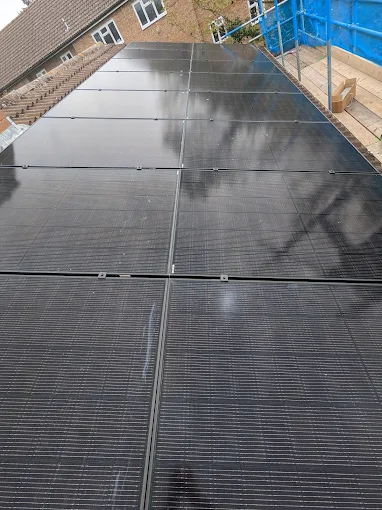
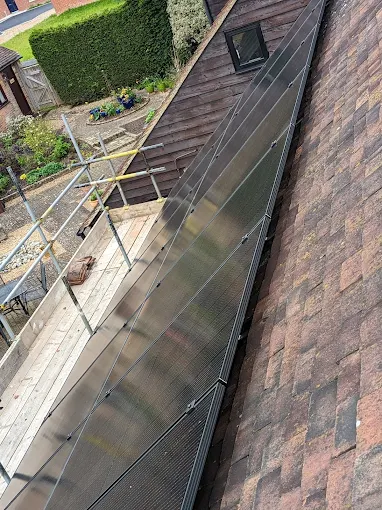
At Solar Panel Bird Proofing Kent, we can check the existing protection and advise on the next step. If new work is needed, our pigeon mesh installation in Ashford is fitted around the panel area to help keep pigeons out.
Can Maintenance Stop Pigeons Coming Back?
It can help, but the mesh needs to stay secure for it to do its job. Pigeons will look for weak spots. If they find a loose edge or damaged section, they may start using the same space again.
That is why basic care steps for a pigeon mesh matter. Look at the screws and bolts first. Clean out any dust, dirt, or leaves you see. Then check around for gaps or openings.
You do not have to rush your thoughts. Just glance now and then. If you notice anything strange, fix it right away. That way it will not grow into a bigger issue later.
Why Choose Solar Panel Bird Proofing Kent?
Some birds choose to nest right under solar panels. When they do, they can leave feathers and droppings on the ground. They may also drop small pieces of nesting material. You might also hear more bird noise in that same spot.
Our job is to stop pigeons getting into that space in the first place.
We provide bird proofing solutions designed around solar panel installations, including pigeon mesh installation in Ashford. Where birds are already causing a problem, suitable pigeon removal solutions may also be needed before the area is protected.
If your mesh has started to sag, get torn, or no longer blocks pigeons, you should get it looked at. A short check can point out the exact spot where the issue is and what should be done next.
Frequently Asked Questions
1. How often should pigeon mesh be checked?
There is no universal inspection interval. An occasional visual check can help identify damage, while an additional inspection after unusually strong weather may be worthwhile.
2. What are the signs that pigeon mesh needs repairing?
Common signs include torn mesh, loose fixings, sagging sections, gaps around the edges, displaced corners and renewed bird activity.
3. Can I repair pigeon mesh myself?
A minor, safely accessible issue may appear straightforward, but repairs around solar panels, roofs or elevated areas should be assessed carefully. Professional help is advisable where access is difficult or the installation has been significantly damaged.
4. What should I do if pigeons are nesting behind the mesh?
Do not simply seal the opening if an active nest may be present. Avoid disturbing the birds and seek appropriate advice before exclusion work takes place.
Categories
Recent Posts
Photo Gallery