Solar Panel Bird Proofing Kent

Birds Nesting Under Solar Panels: 9 Warning Signs & What to Do
Solar panels are one of the cleanest power sources, but birds nesting beneath them can turn the space below into a quiet problem. Pigeons and other birds are drawn to the gap because it stays warm and dry. Rain and wind hit it less hard, and the sheltered space feels safer.
A small nest can look harmless at first. But it can build up into bigger trouble. Wires and cables can be damaged over time. Drainage can get blocked. Solar panels can lose performance. Bird droppings can mess up hygiene. If they sit there longer, the risk grows. Spot the early signs, then you can respond sooner and keep your area cleaner.
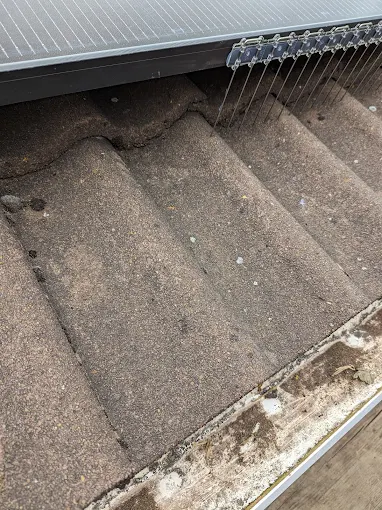
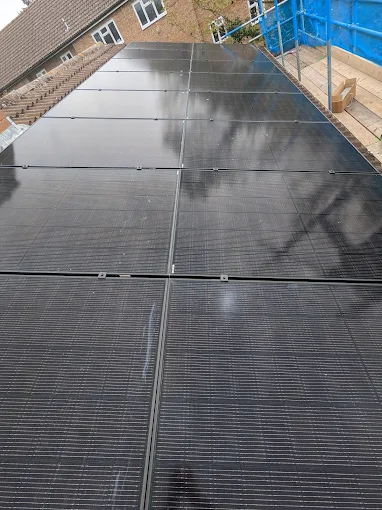
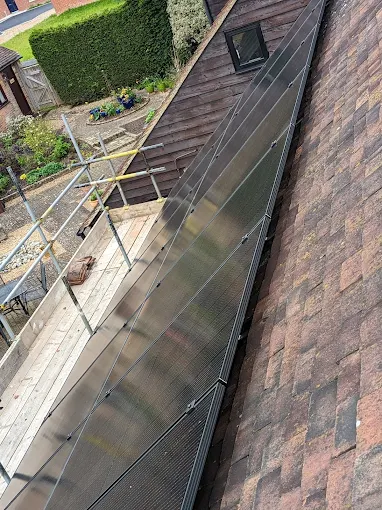
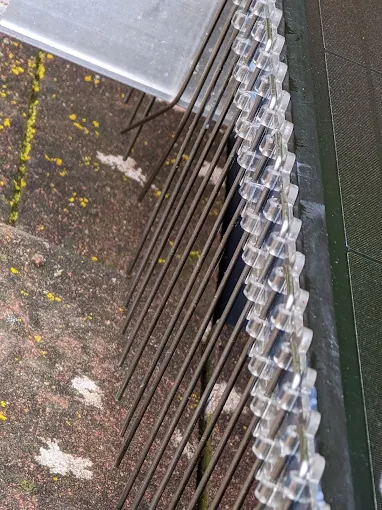
At Solar Panel Bird Proofing Kent, we provide pigeon mesh installation in Ashford for properties where pigeons have become a recurring problem. Once the mesh is in place, a little basic care can help keep it doing what it was installed to do.
Why Do Birds Nest Under Solar Panels?
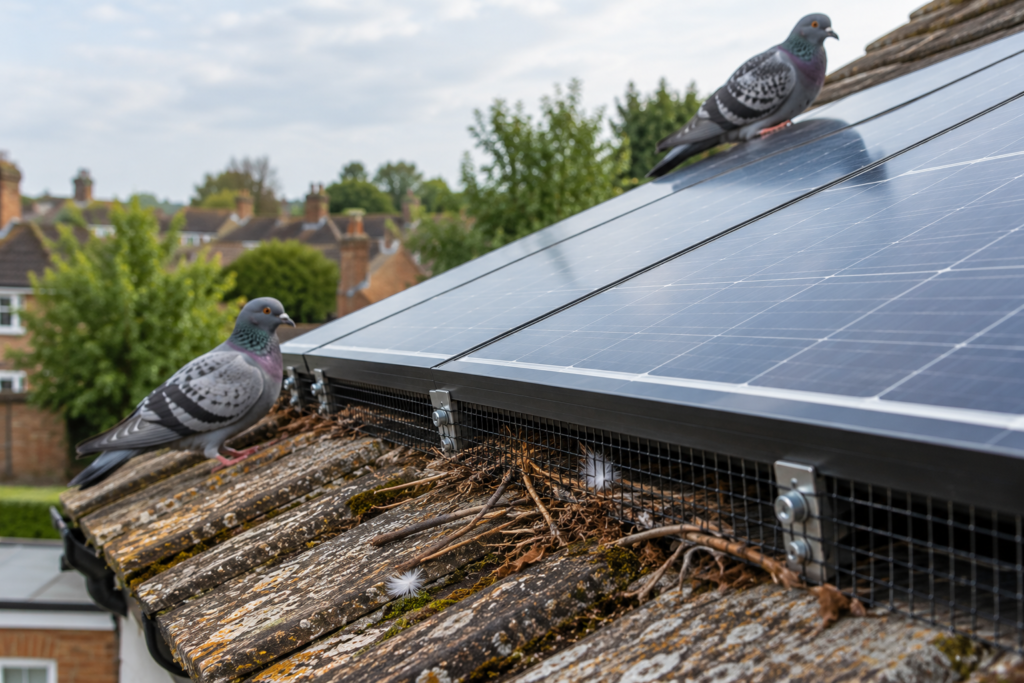
Solar panels are usually mounted a few inches above the roof. This creates a gap. That gap becomes a space. It feels safe and warm to birds. It is often dark and quiet. There are chances of disturbance. These conditions are ideal for nesting.
Pigeons are common birds that use this space. They are smart. They know how to find quiet places. Once they build a nest in one spot, they often return. They may even come back year after year.
9 Warning Signs of Birds Nesting Under Solar Panels
1. Bird Droppings Around the Panels
You may notice a lot of droppings near the edges of your panels. You might see them on the roof, the wall, the gutters, or the nearby ground. Droppings that build up in one place and keep coming back usually point to a bird nest under solar panels.
2. Twigs, Leaves or Nesting Material
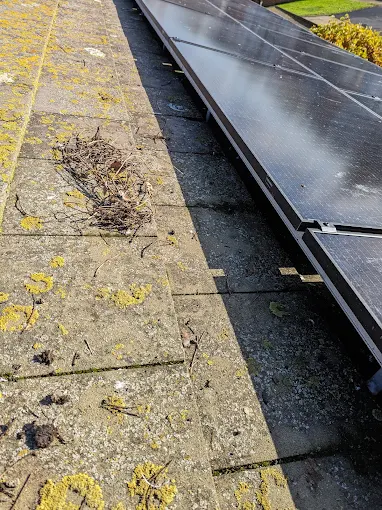
Look for sticks, grass, feathers or bits of leaves near the panels. Pigeons use these materials to build their nests. If you keep finding things, especially in the same spot there may be a nest under your panels.
3. Birds Frequently Entering the Panel Gaps
Watch the area around your panels from a distance. Birds keep going under the panels, then they vanish. That can mean they are using the gap to nest. If you see them moving in and out again and again, that points to it.
4. Bird Sounds Coming From Under the Panels
You might notice chirps, soft coos, or tiny scratching sounds. Most of the time, those noises seem to start under the panels. They are more noticeable in the morning or during feeding times. If the sounds keep coming from the spot take it seriously.
5. Feathers and Eggshells
If you spot feathers or small bits of eggshell by the panels, pay attention. Birds use those materials to make and line their nests. So the nest may be in use now, or it may have been used not long ago. Take this as a real warning and do not brush it off.
6. Young Birds Near the Solar Panels
If you see baby birds or chicks near your installation a nest is likely close by. Pigeons often build nests in hidden places. You may not see the nest from the ground. The presence of chicks means nesting is happening.
7. Damaged or Displaced Solar Panel Cables
Birds can disturb the equipment under the panels. They may pull at cables. Move insulation. You might find cables loose or exposed. This is dangerous. Can affect the system’s performance. Any damage should be checked by a professional.
8. Unusual, Nest Odour
A buildup of material, feathers, and droppings can create a bad smell. The odor may become stronger over time. If you notice a smell near the panels, especially with other signs, it may mean a nest is active.
9. Reduced Solar Panel Performance
Bird droppings can land on the surface of the panels. This reduces how much sunlight reaches the cells. Less light means less electricity. A drop in performance can have causes. If it happens at the same time as droppings or other signs, birds may be the cause.
Can Birds Damage Solar Panels?
Yes, birds can cause damage. It is not the birds themselves. What they bring. Their droppings, nests, and activity can lead to problems. Wiring may get damaged. Water may not drain properly. The panels may need cleaning. The system may not work well.
In some cases, a large nest can block access to the panels. This part makes it harder to check things and do routine upkeep. It can also raise the chance of a fire or an electrical problem.
What to Do If You Find Birds Nesting Under Solar Panels?
Found a nest below your solar panels? Stop for a moment and do this to keep the birds safe, and to keep you safe too:
- Do not take the nest down on your own: If it is in use, it might have eggs or babies. If you mess with it, you could hurt the birds. You could also run into legal trouble.
- First, see if the nest looks active: From a safe distance, check for eggs or signs of young birds. Do not touch the nest. Do not get close to it.
- Next, get help from a qualified person: Call a service team that handles solar upkeep, or a licensed bird control worker. They will know the right way to deal with it without causing harm.
- Do not climb onto the roof: Do not lift or move the panels. Solar setups have wiring and electrical parts. That work should be left to trained people.
How To Stop Birds Nesting Under Solar Panels?
The best way is to stop birds from getting in. You can block the space under the panels. Use bird-proofing solutions. These include mesh screens or barriers. They keep birds out. Still let air flow.
Install these at the time of installation. Add them later. Make sure the system stays safe and effective. Also check the roof and panels regularly. Look for signs of birds. Catching the problem early keeps it from getting worse.
Frequently Asked Questions
1. How do I know birds are nesting under solar panels?
Look for droppings, twigs, feathers, eggshells, unusual sounds, and birds repeatedly flying under the panels. Bad smells or damaged cables can also be signs of birds nesting under solar panels.
2. What are the signs of birds under solar panels?
Common signs of birds under solar panels include droppings, nesting material, feathers, bird sounds, repeated bird movement, chicks nearby, bad odours, damaged cables, and lower performance.
3. Can birds damage solar panels?
Yes, solar panel bird problems can build up over time. Droppings reduce sunlight, nests block drainage, and birds may disturb wiring. All of this can affect performance and safety.
4. Can birds reduce solar panel performance?
Bird nesting itself should not automatically be assumed to be the cause of reduced solar output. Weather, shading, soiling, inverter faults and other technical issues can affect generation. If bird activity and reduced performance occur together, a qualified professional can investigate the system.
Need Help With Birds Around Your Solar Panels?
If you have noticed pigeons repeatedly visiting your solar panels, nesting material around the panel edges or other signs of bird activity, it is worth addressing the situation carefully rather than disturbing the area yourself.
Solar Panel Bird Proofing Kent provides professional bird-proofing services for solar panel installations across Kent, including Ashford.
If you have confirmed or suspect a bird-nesting problem and want to discuss suitable next steps, contact the team for professional advice and an assessment of your solar panel installation.
Categories
Recent Posts
Photo Gallery